
A YEAR IN 13 MOONS
Posted on March 30, 2026
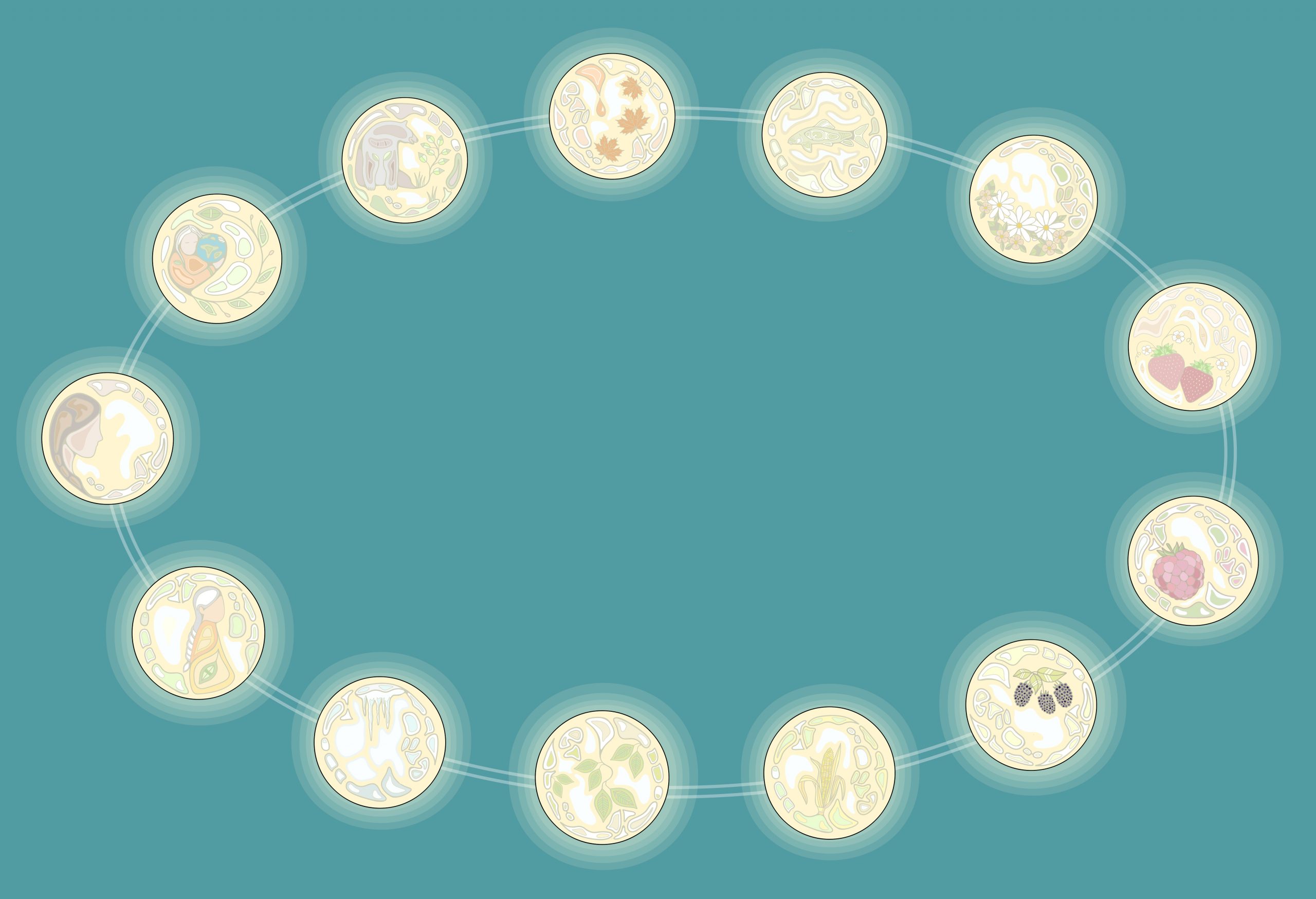
The 13 Moons: A Year of Teachings, Balance, and Renewal
Across many First Nations, Inuit, and Métis communities, the year is understood not as twelve months but as thirteen moons, each carrying its own teachings, responsibilities, and relationships. These moon cycles reflect the natural world, waters, plants, animals, and seasonal change. They guide communities in living with balance, gratitude, and reciprocity. While teachings vary across Nations, the spirit of the 13 moons remains consistent: ‘We are part of creation, not separate from it’. Many Nations, including Anishinaabe, Haudenosaunee, and Cree, begin each moon’s cycle with the return of the full moon (as noted in this blog), while others follow the new moon, reminding us that each Nation is guided by its own teachings and ways of knowing.
Spirit Moon – January 3

Manidoo Giizis (Anishinaabemowin), or the Spirit Moon, is a time of deep reflection, prayer, and connection with the spirit world, inviting people to slow down, listen inwardly, and honour the teachings passed through generations. In many Anishinaabe communities, winter becomes a season for storytelling and strengthening family relationships, reminding us that healing begins with stillness and the tending of our inner fire. Cree teachings describe this moon as a period when the spirit world is closest, guiding individuals to reconnect with ancestral memory, while Haudenosaunee knowledge speaks of the quiet renewal of the Good Mind and a reaffirmation of responsibilities to the natural world before the planting cycle begins.
Bear Moon – February 1
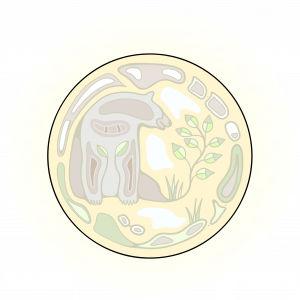
Mkwa Giizis (Anishinaabemowin), or the Bear Moon, reflects the teachings of the bear as protector, healer, and teacher of medicines, stirring in its den as a symbol of renewal and awakening strength. For many Anishinaabe healers, this moon reinforces the responsibility to care for community wellness, encouraging people to check on loved ones and nurture their own emotional and physical health. Inuit teachings connect this moon to deep winter, when polar bears model endurance and careful energy use as the land slowly shifts toward returning light, while Haudenosaunee knowledge honours the bear as a guardian of medicines, reminding people to care for their bodies in preparation for the coming thaw.
Sugar Moon – March 3
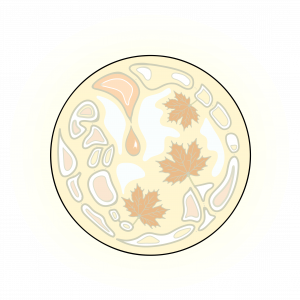
Ziizibaakwad Giizis (Anishinaabemowin), or the Sugar Moon, signals the return of warmth and the flowing of maple sap, a gift that nourishes communities after a long winter and brings families together in the sugar bush to harvest, teach, and celebrate renewal. This moon represents balance and the sweetness that follows hardship, encouraging honesty and clarity of spirit, much like the clear sap itself. Cree teachings mark this as the first true sign of spring, when the land softens and life‑giving migrations begin to return, while Inuit knowledge connects this moon to lengthening daylight, guiding hunters to observe shifting snow and ice as animals move into their seasonal patterns.
As one moon fades and another rises, these reflections will continue. Join us under the next moon for more teachings about the 13 Moons.
Artwork by Hawlii Pichette.