
A YEAR IN FOUR SEASONS
Posted on March 23, 2026
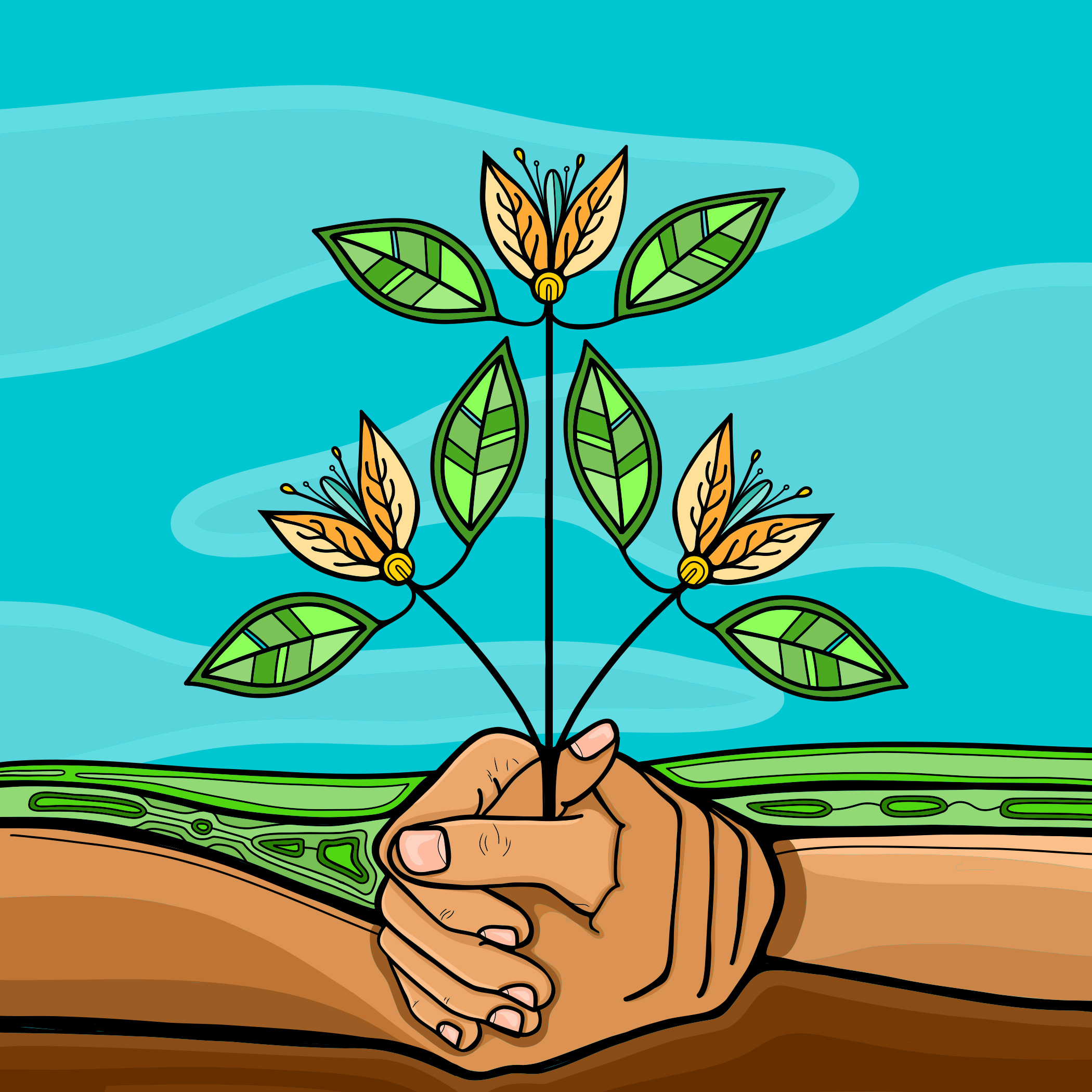
A YEAR IN FOUR SEASONS
Honouring the Four Seasonal Transitions
Across Turtle Island, the solstices and equinoxes mark more than shifts in daylight, they signal relational changes between people, the land, and all our relations. Many First Nations, Inuit, and Métis communities hold teachings that guide how we move through these transitions with gratitude, humility, and balance. These moments invite reflection on our responsibilities to one another and to the natural world, reminding us that wellness is cyclical, interconnected, and rooted in reciprocity.

Spring Equinox – A Time of Renewal and Returning Light
(Teachings referenced: Anishinaabe, Haudenosaunee)
The Spring Equinox marks the moment when daylight and darkness return to balance, symbolizing the renewal of life. In many Anishinaabe teachings, this is the season of Ziigwan, when the earth wakes from winter’s rest and new beginnings emerge. It is a time to cleanse, set intentions, and prepare for planting. Ceremonies often focus on gratitude for the waters, as the spring thaw signals the return of flow and movement.
For Haudenosaunee communities, this period aligns with the Maple Ceremony, honouring the first medicine to run through the trees. Maple sap is seen as a gift that nourishes the body and spirit, reminding people of the Creator’s generosity. The maple teaching reminds us of generosity, balance, and our responsibility to harvest with care. By thinking seven generations ahead, we honour this gift and ensure that future generations can continue to offer thanks for what the land provides.
Summer Solstice – Celebrating Life, Growth, and the Height of the Sun
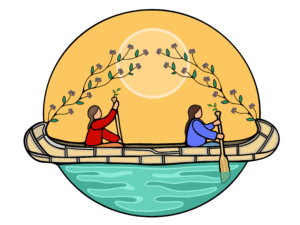
(Teachings referenced: Cree, Inuit)
The Summer Solstice is the longest day of the year and a time of powerful energy. For many Cree communities, this season represents growth, abundance, and the strengthening of relationships. Ceremonies and gatherings often honour the sun as a life-giver, recognizing its role in supporting plants, animals, and people. It is also a time for reconnecting with community through feasts, dances, and land-based activities.
In Inuit traditions, the return of long daylight is deeply tied to survival, mobility, and harvesting cycles. The solstice marks a period of intense activity, hunting, fishing, and preparing for the months ahead. It is a time to honour the animals who give themselves so communities can thrive, reinforcing teachings of respect and non-waste.
Across Nations, the Summer Solstice is a moment to celebrate vitality, cultural strength, and the resilience of Indigenous Peoples. It is a reminder that wellness is nourished through connection to land, family, language, and tradition.
Fall Equinox – Harvest, Gratitude, and Preparing for Rest
(Teachings referenced: Haudenosaunee, Métis)
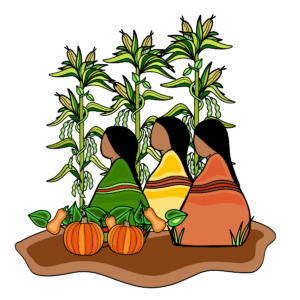
The Fall Equinox brings another moment of balance between light and dark, signalling the shift toward colder months. For Haudenosaunee Peoples, this season aligns with the Great Harvest ceremonies, honouring the Three Sisters: corn, beans, and squash. These foods are more than crops; they are relatives who teach cooperation, interdependence, and generosity. As the harvest is gathered, the Three Sisters help prepare the people for the long winter ahead, sustaining the community through the coldest time of the year. The equinox is a time to give thanks for all that has grown and all that has sustained the community.
Métis communities often view this season as a time of gathering and preparing. Historically, it marked the end of the buffalo hunt and the beginning of winter provisioning. The equinox invites reflection on the labour of the year, the relationships that supported us, and the teachings learned through the land.
This transition encourages people to slow down, acknowledge abundance, and prepare spiritually, mentally, and physically for the quieter season ahead. Gratitude becomes a guiding practice, reminding us that every gift from the land carries responsibility.
As the seasons turn, so will these reflections. Join us again in the Summer for more teachings about the Winter Solstice.
Artwork by Hawlii Pichette